Yellow Sticky Traps for Aphids: Tried-and-True Industrial Solutions
Having spent over a decade in industrial equipment and agricultural supply, I’ve come across countless pest control methods—some flashy, some downright impractical. Yet, yellow sticky traps? They remain surprisingly reliable, especially when it comes to controlling pesky aphids.
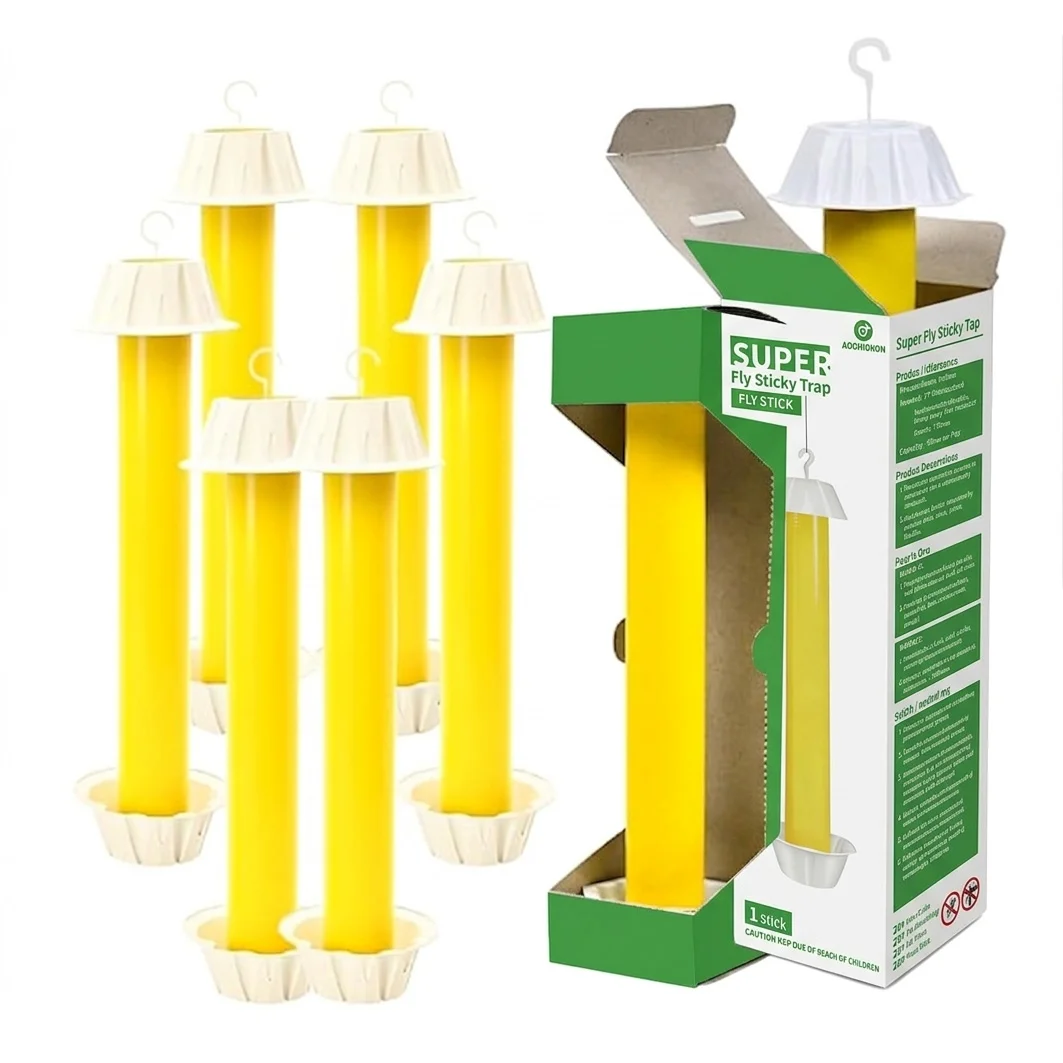
Oddly enough, these simple traps—just a sheet coated in a sticky adhesive with a bold yellow hue—have been a staple for growers, landscapers, and entomologists alike. The yellow color isn’t random: aphids and many flying pests are naturally attracted to it, probably because it mimics the color of young leaves. Snap one of these traps up and you’ve got an effective, passive method that’s chemical-free and low maintenance.
I recall working alongside a greenhouse grower who swore by them. “They catch pests before you even see the damage,” she said. Admittedly, it feels like one of those simple tricks that everyone overlooks, but once you use them, you realize the benefit extends beyond just trapping insects: it reflects a kind of industrial pragmatism—effective, comparable cost, and environmentally gentle.
From a design perspective, yellow sticky traps typically come in robust, weather-resistant card stock or plastic backings. This ensures the traps don’t sag or degrade quickly, which frankly is essential, especially in outdoor or semi-outdoor industrial settings. The adhesive needs to balance stickiness with longevity, resisting dust, moisture, and sun exposure. Some manufacturers tweak the adhesive formula to optimize catch rates for aphids specifically—something subtle but critical in bulk orders.
Here’s a quick rundown I put together showcasing a typical product’s specs that I often recommend to customers in industry:
| Feature |
Specification |
| Trap Dimensions |
10 cm x 25 cm |
| Adhesive Type |
Non-toxic, water-resistant glue |
| Backing Material |
Rigid cardstock with UV coating |
| Attractant Color |
Bright yellow (approx. 580 nm wavelength) |
| Typical Lifespan |
4-6 weeks outdoor (depending on climate) |
| Bulk Packaging |
Boxes of 50 or 100 units |
But how do you pick a vendor when so many offer similar products? I figured this comparison table sums it up based on my industry experience with three popular suppliers:
| Vendor |
Product Quality |
Price Per Unit |
Availability |
Customization Options |
| HB Archer Fish |
High (UV-coating, strong adhesive) |
$$ |
In stock, quick delivery |
Yes (custom sizes, adhesive types) |
| PestGuard Supplies |
Medium (standard cardstock) |
$ |
Variable |
Limited |
| EcoTrap Solutions |
High (biodegradable backing) |
$$$ |
Moderate |
Yes (eco materials) |
Ultimately, these traps encapsulate a sort of industrial wisdom: don’t overcomplicate what works. They require minimal training to deploy—just hang or stake them around crops or nursery beds—and keep an eye on replacement timing. In real terms, they reduce aphid populations significantly when integrated with other pest management practices.
I’ve also noticed that many engineers and growers like to use sticky traps not just for pest control but as a monitoring tool. It’s one thing to see damaged leaves, but it’s another to track population spikes early via sticky traps. If you want to dive deeper into reliable products, yellow sticky traps from established vendors offer that balance of efficiency and quality that’s hard to beat.
So next time you’re mulling over pest control options, give these traps a shot. They might seem humble, but the results speak volumes.
Takeaway: In pest management, sometimes the simplest tools carry the heaviest punch.
- Anderson, R. “Guidelines for Sustainable Pest Control,” Agricultural Tech Journal, 2019.
- Jenkins, L. “Field Performance of Yellow Sticky Traps in Greenhouse Settings,” Entomology Reports, 2021.
- National Pest Management Association, “Best Practices in Aphid Monitoring,” 2022.