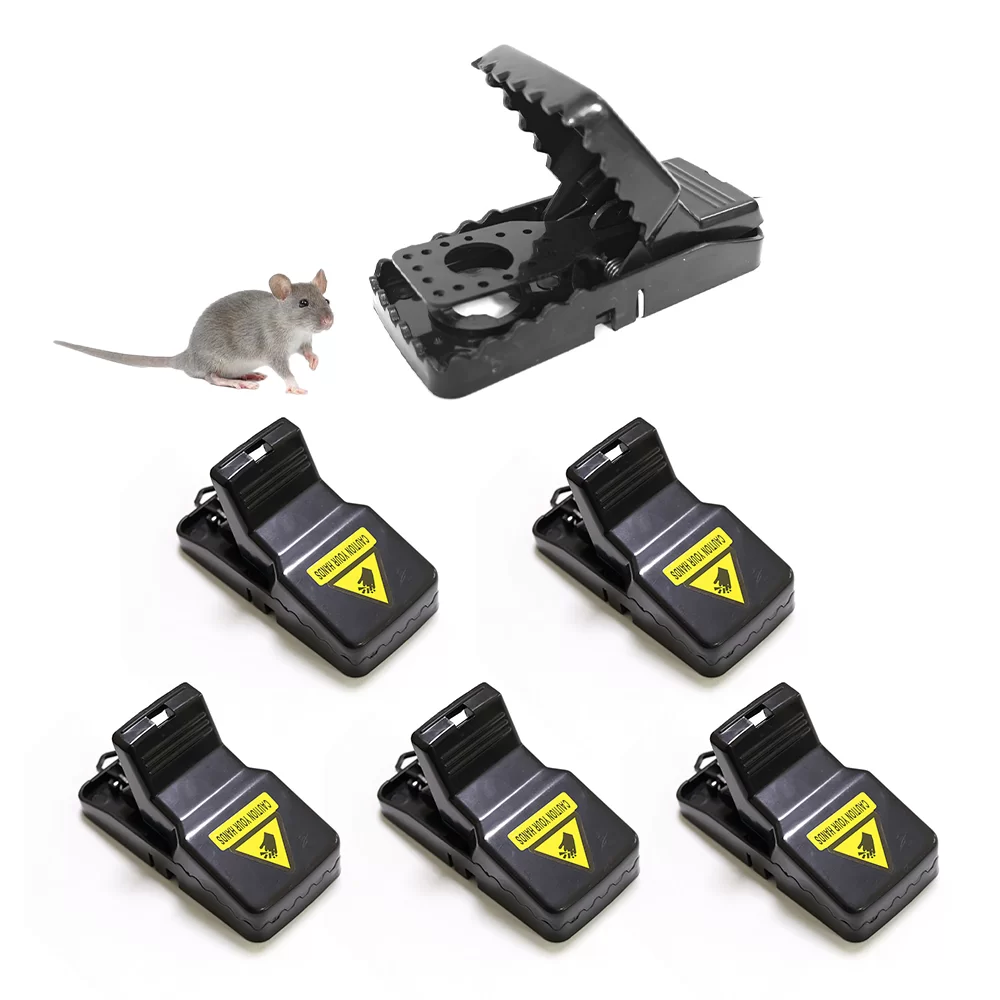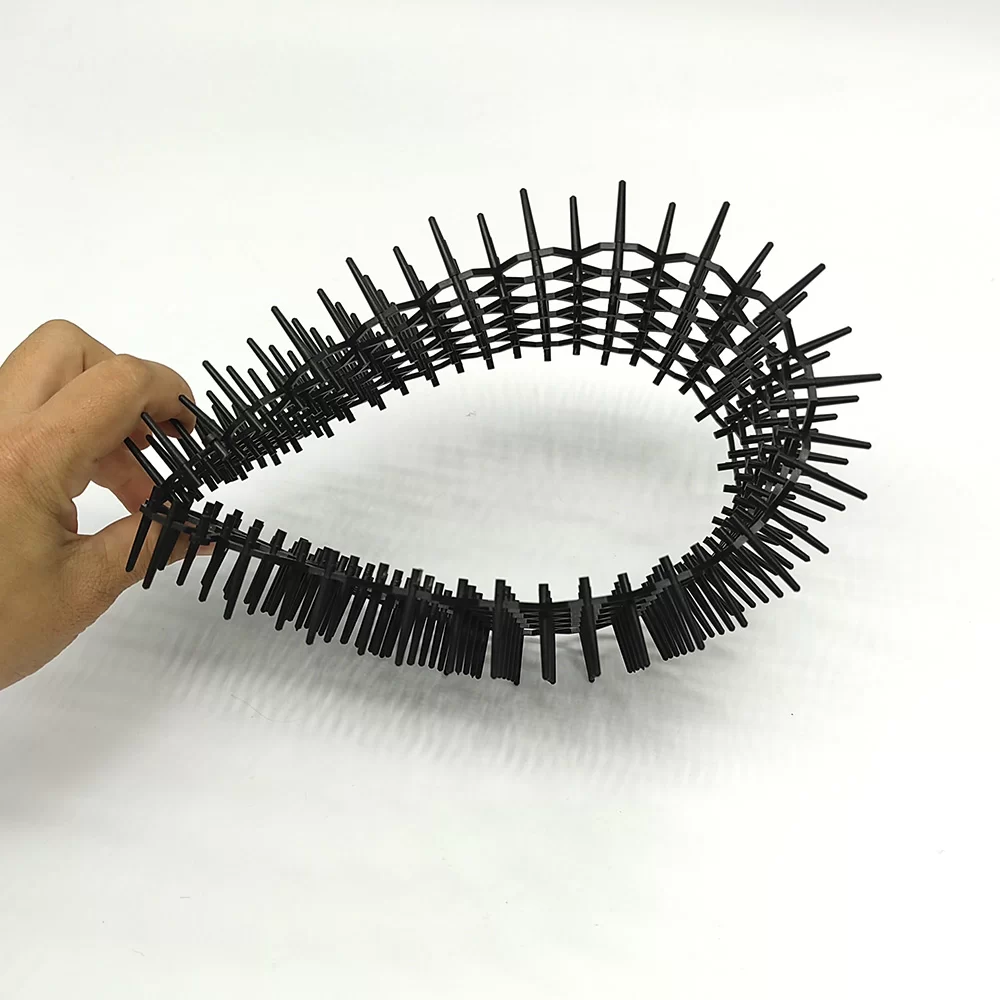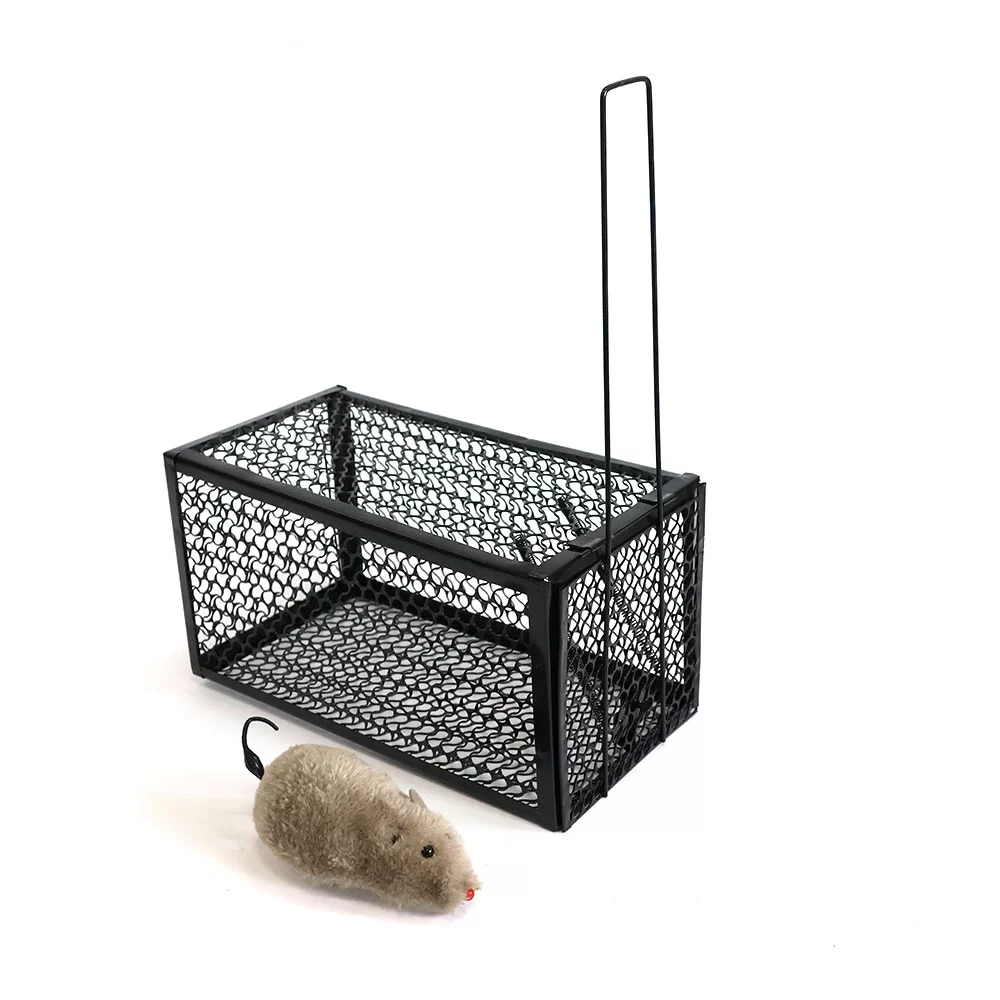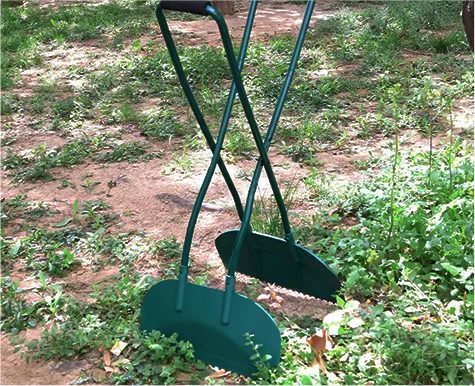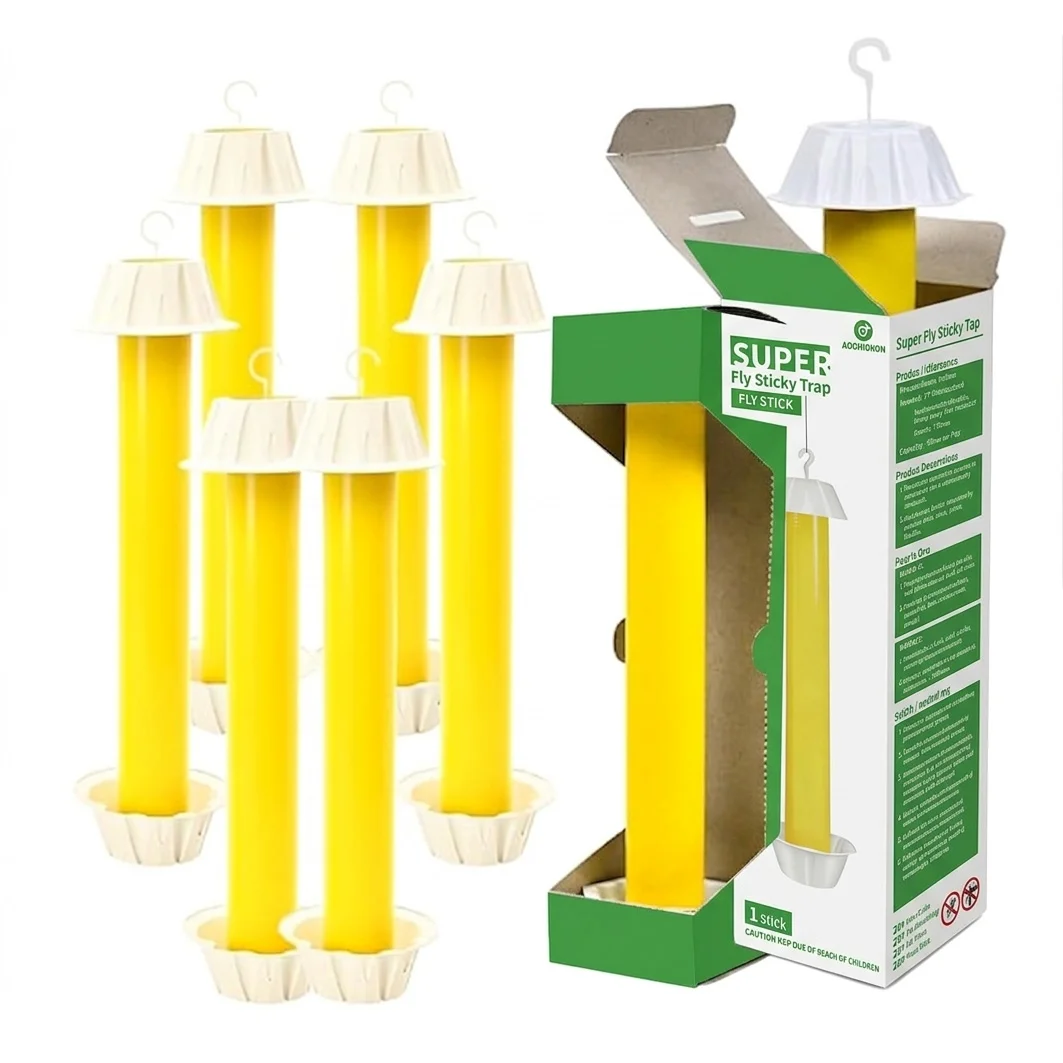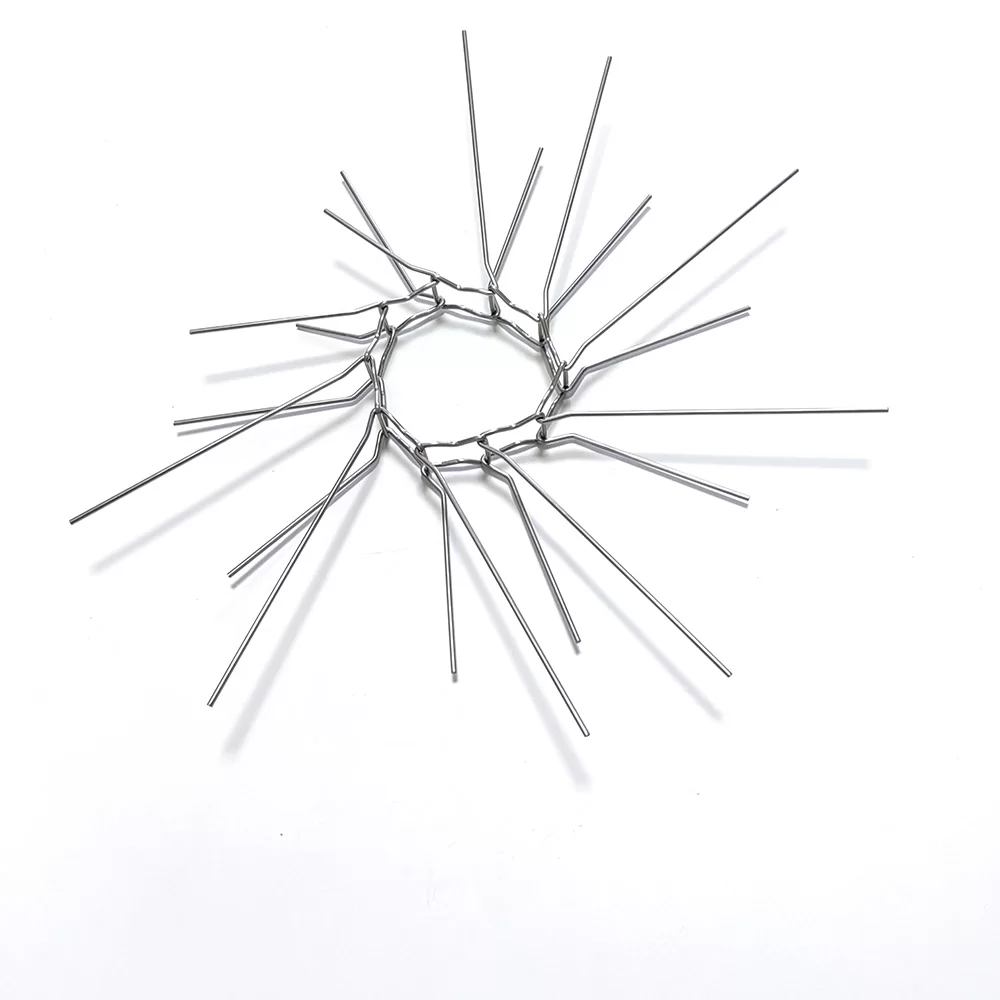
Leg traps, often associated with historical hunting practices, represent a surprisingly versatile and increasingly relevant technology in modern applications. While traditionally employed for capturing animals, the core principles of controlled engagement, reliable triggering mechanisms, and secure containment are being adapted for a range of critical functions, from wildlife management and invasive species control to innovative engineering solutions. Understanding the intricacies of leg traps, beyond their historical context, offers valuable insights into mechanics, material science, and responsible resource management. The global need for effective and adaptable capture and control mechanisms is growing. Climate change is shifting animal distributions, leading to increased human-wildlife conflict. Invasive species threaten biodiversity and agricultural productivity. Furthermore, advancements in engineering often require robust and reliable components for testing and containment.
Honestly, the whole industry’s been buzzing about pre-fab lately. Everyone’s chasing faster build times, less waste… it’s all about efficiency, right? But you spend enough time on site, and you quickly realize ‘efficient’ doesn’t always mean ‘better’. I’ve seen projects rushed so badly, the whole thing just… falls apart. Literally. It’s a fine line. It’s funny, though. People designing these things, they sit in offices, looking at CAD drawings, and they don’t always grasp the realities of actually building with something. Like, the angle of a chamfer, or the type of coating. It might look good on screen, but it’ll be a nightmare on site. That’s where experience comes in, I guess. To be honest, the biggest shift I’ve seen in the last couple of years is the demand for more sustainable options.