19 March 2026
For businesses, farms, greenhouses, and large facilities, controlling pests efficiently is not just about convenience—it’s a necessity. A reliable sticky trap can prevent crop damage, reduce health risks, and maintain a clean working environment. From small indoor plants to large industrial spaces, sourcing the right sticky trap for bugs from trusted suppliers ensures consistent quality, effectiveness, and scalability. In this guide, we’ll cover the considerations for bulk purchasing and why professional-grade sticky trap products are a game-changer for businesses.
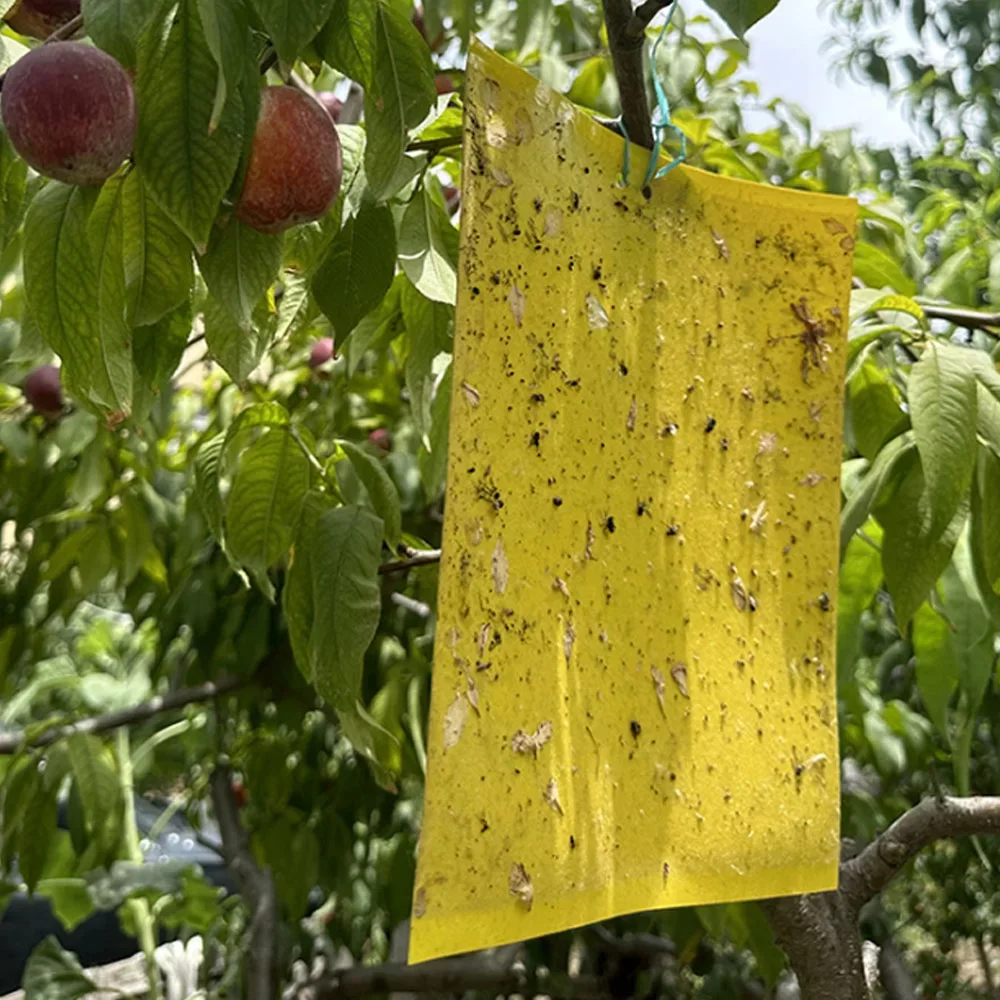
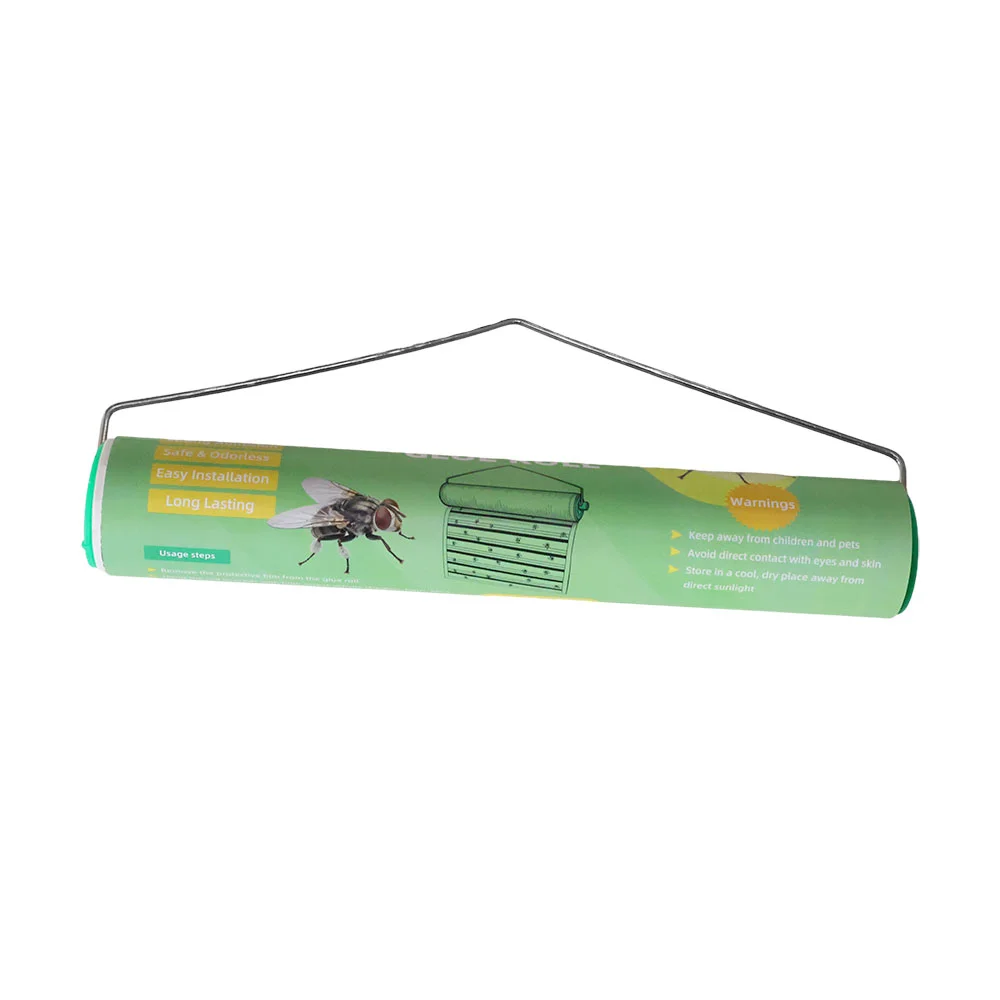
Flies are one of the most common pests in restaurants, warehouses, food factories, and farms. A sticky trap for flies can provide continuous, chemical-free protection across large spaces.
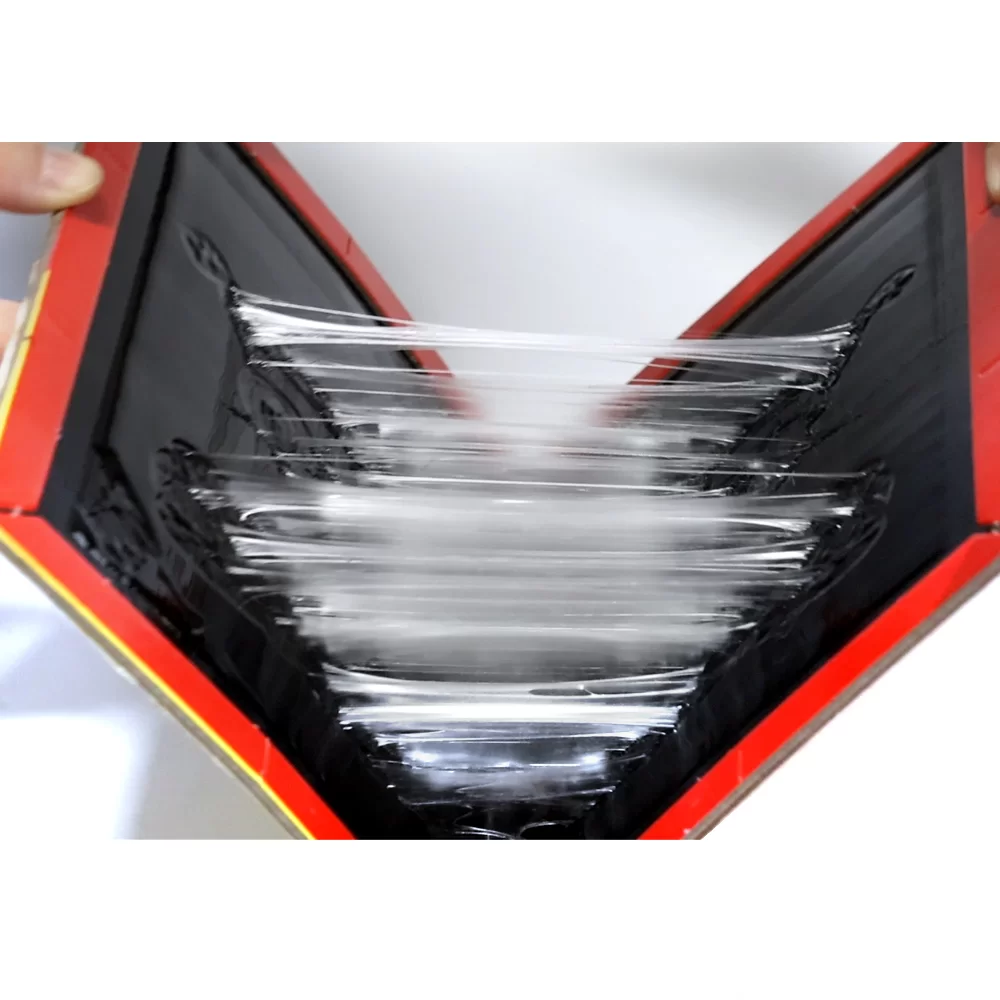
Commercial-grade sticky trap products are designed for high performance:
Larger adhesive surface for increased capture rates
Stronger durability for long-term use
Bright visual attractants to lure more insects
In a business setting, using a sticky trap for bugs not only improves hygiene but also enhances compliance with health regulations. For example, placing multiple sticky trap for flies units along food preparation areas, loading docks, and entrances ensures maximum coverage and reduces fly populations quickly.
In agriculture and horticulture, pests like aphids, whiteflies, and fungus gnats can destroy entire crops if left unmanaged. A sticky trap for plants is an eco-friendly and effective solution for farmers and greenhouse operators.
When purchasing in bulk, consider:
The trap size and adhesive strength suitable for large areas
Weather-resistant coatings for outdoor use
Compatibility with different plant types
Using multiple sticky trap for plants throughout a farm or greenhouse ensures consistent monitoring and control. These sticky trap for bugs solutions reduce the need for pesticides, lower costs, and protect both the plants and the environment.
Crawling insects pose serious challenges in commercial and industrial environments. A sticky trap for roaches is essential in kitchens, warehouses, and storage areas. These traps are designed to capture heavier pests that may evade traditional sticky surfaces.
Similarly, a sticky trap for spiders can prevent web formation in storage rooms or offices, while a sticky trap for ants helps monitor ant trails and prevent colony expansion.
Bulk purchasing of these sticky trap for bugs products allows businesses to maintain consistent pest control across multiple locations or large facilities without frequent restocking.
Cost-Effectiveness
Buying in bulk reduces the per-unit cost, making it more economical for businesses and farms.
Consistent Quality
Working with reputable suppliers ensures that every sticky trap maintains the same adhesive strength, color, and durability.
Scalable Pest Control
Large facilities or multi-location operations benefit from standardized sticky trap for bugs solutions, ensuring uniform protection across all areas.
Reduced Maintenance Effort
Commercial-grade sticky trap products are built to last, meaning fewer replacements and less labor.
When sourcing sticky trap for bugs, consider the following factors:
Reputation and Experience: Choose suppliers with proven experience in manufacturing commercial-grade pest control products.
Customization Options: Some suppliers offer traps in different sizes, colors, or adhesive strengths suitable for specific pests.
Fast Delivery and Bulk Support: Ensure the supplier can handle large orders and deliver consistently.
Eco-Friendly Materials: Chemical-free, biodegradable, or recyclable options support sustainable practices.
Working with a professional supplier guarantees that your sticky trap for gnats, sticky trap for flies, sticky trap for plants, sticky trap for roaches, sticky trap for spiders, and sticky trap for ants products meet your operational needs.
To maximize effectiveness:
Place traps strategically where pest activity is highest.
Rotate traps regularly to ensure full adhesive coverage.
Monitor captured pests to adjust placement or add additional traps.
Combining multiple sticky trap types allows businesses to manage both flying and crawling insects efficiently. For example, a greenhouse may use sticky trap for plants for pest monitoring, along with sticky trap for gnats near humid zones and sticky trap for roaches in storage areas.
Bulk purchasing of sticky trap for bugs is an essential strategy for businesses, farms, and greenhouses. From sticky trap for flies in commercial kitchens to sticky trap for plants in agriculture, and sticky trap for roaches, spiders, and ants in industrial facilities, professional-grade traps provide consistent, eco-friendly, and effective pest control.
By choosing the right supplier and strategically placing sticky trap products, businesses can reduce pest-related risks, maintain hygiene standards, and save time and money in the long run. Whether you manage a small greenhouse or a large industrial facility, bulk sticky trap for bugs solutions are a reliable and scalable choice for long-term pest management.
Feb 11, 26
The Importance of Small Animal Traps for Effective Population Management
Jan 28, 26
Navigating Modern Construction Trends with Rat Trap Company Solutions

Feb 27, 26
Choosing the Best Deep Seat Garden Kneeler for Comfortable Gardening
Mar 11, 26
Exploring the Versatility and Growing Applications of Bird Mesh Technology