19 March 2026
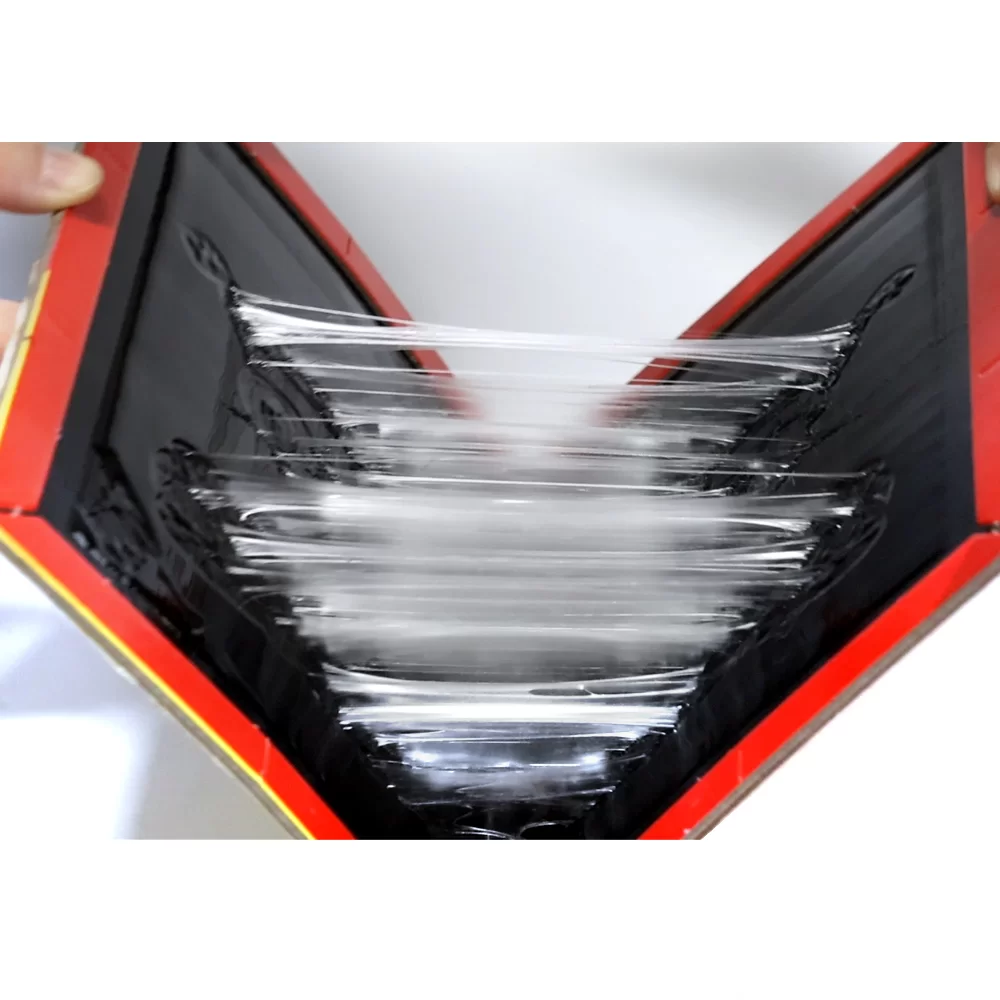
When dealing with unwanted insects indoors or outdoors, finding a safe, effective, and low-maintenance solution is essential. One of the most reliable methods widely used today is the sticky trap. Whether you're managing household pests, protecting plants, or maintaining a clean commercial space, sticky trap for bugs solutions offer a chemical-free and highly efficient way to monitor and control infestations. From flies and gnats to spiders and ants, these traps are versatile, affordable, and easy to use. In this guide, we’ll explore how different types of sticky trap products work, where to use them, and how to maximize their effectiveness.
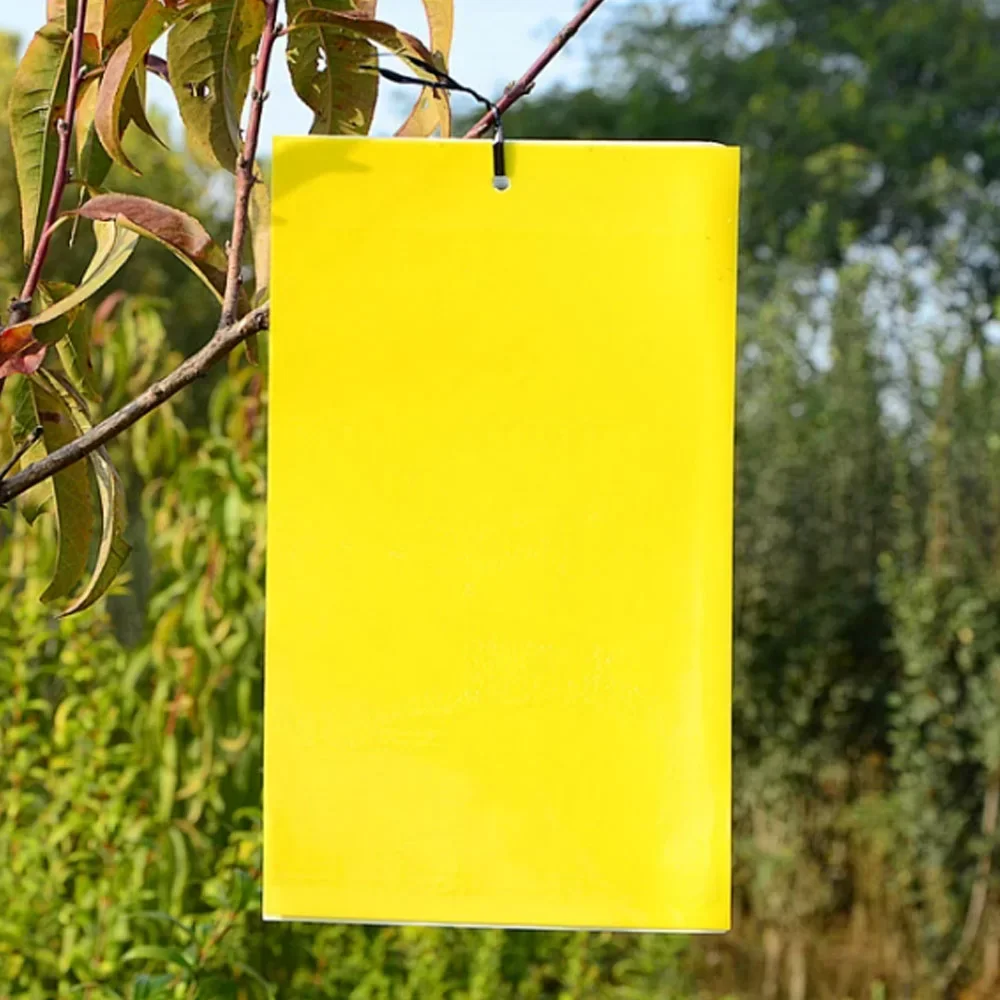
Gnats are tiny but incredibly annoying pests, especially in kitchens, offices, and near indoor plants. A sticky trap for gnats is one of the simplest yet most effective solutions for controlling these insects. These traps use bright colors (often yellow) to attract gnats, which then get stuck on the adhesive surface.
Using a sticky trap indoors has several advantages. First, it’s completely non-toxic, making it safe for homes with children and pets. Second, it provides real-time monitoring—you can immediately see how severe the infestation is by checking the number of trapped insects. Third, sticky trap for bugs solutions require minimal maintenance; simply replace the trap when it’s full.
To maximize effectiveness, place your sticky trap for gnats near light sources, houseplants, or moist areas where gnats tend to gather. Combining multiple sticky trap placements can significantly reduce gnat populations within days.
Flies are not only irritating but also pose serious hygiene risks by spreading bacteria and contaminants. A sticky trap for flies is a practical solution widely used in homes, restaurants, farms, and warehouses.
Unlike sprays or electric zappers, a sticky trap works silently and continuously. Flies are attracted to the trap’s surface and become immobilized upon contact. This makes sticky trap for bugs products ideal for environments where cleanliness and discretion are important.
For best results, install your sticky trap for flies in areas with high fly activity, such as near windows, trash bins, or food preparation zones. In commercial settings, combining several sticky trap units can create an effective barrier against fly infestations.
Another benefit is that sticky trap for flies options are eco-friendly. They do not release harmful chemicals into the air, making them suitable for sensitive environments like food storage facilities.
If you’re a gardener or plant enthusiast, pests can quickly damage your greenery. A sticky trap for plants is specifically designed to protect indoor and outdoor plants from flying insects like aphids, whiteflies, and fungus gnats.
These traps are typically placed directly in the soil or hung near plant leaves. A sticky trap works by attracting insects visually, preventing them from feeding or laying eggs on your plants. This makes sticky trap for bugs an essential tool for integrated pest management.
Using a sticky trap for plants offers several advantages:
It reduces the need for chemical pesticides
It helps monitor pest populations early
It prevents large-scale infestations
For optimal performance, position your sticky trap for plants close to the affected areas but avoid direct contact with leaves. Regularly check and replace the sticky trap to maintain its effectiveness.
While flying insects are a common problem, crawling pests like cockroaches, spiders, and ants can be even more challenging. Fortunately, a sticky trap for roaches, sticky trap for spiders, and sticky trap for ants can effectively capture these pests as well.
A sticky trap for roaches is particularly useful in kitchens, basements, and storage areas. Roaches are nocturnal and tend to follow walls, so placing a sticky trap along edges and corners increases capture rates. Similarly, a sticky trap for spiders can be positioned in dark, undisturbed areas where spiders build webs.
Ant infestations can also be controlled using a sticky trap for ants. While these traps may not eliminate an entire colony, they are excellent for monitoring activity and reducing visible populations. When combined with other control methods, sticky trap for bugs solutions become even more powerful.
To get the best results from your sticky trap, consider the following tips:
Strategic Placement
Always place the sticky trap in areas with high insect activity. For example, use a sticky trap for gnats near plants and a sticky trap for flies near windows.
Regular Replacement
A full sticky trap loses its effectiveness. Replace it regularly to ensure continuous pest control.
Use Multiple Traps
Instead of relying on one sticky trap, use several to cover a larger area and improve capture rates.
Combine with Other Methods
While a sticky trap for bugs is highly effective, combining it with proper sanitation and sealing entry points will deliver even better results.
From homes to commercial spaces and gardens, the sticky trap remains one of the most versatile pest control solutions available. Whether you need a sticky trap for gnats, a sticky trap for flies, or a sticky trap for plants, these simple tools provide an efficient, eco-friendly, and cost-effective way to manage pests.
Additionally, specialized options like sticky trap for roaches, sticky trap for spiders, and sticky trap for ants ensure that both flying and crawling insects are covered. By using the right type of sticky trap for bugs and placing it strategically, you can maintain a cleaner, healthier, and pest-free environment with minimal effort.
Feb 14, 26
The Essential Guide to Small Animal Trap Cage Usage and Humane Wildlife Control
Feb 25, 26
Advancements in Mouse Catcher Technology for Effective Pest Control
Mar 19, 26
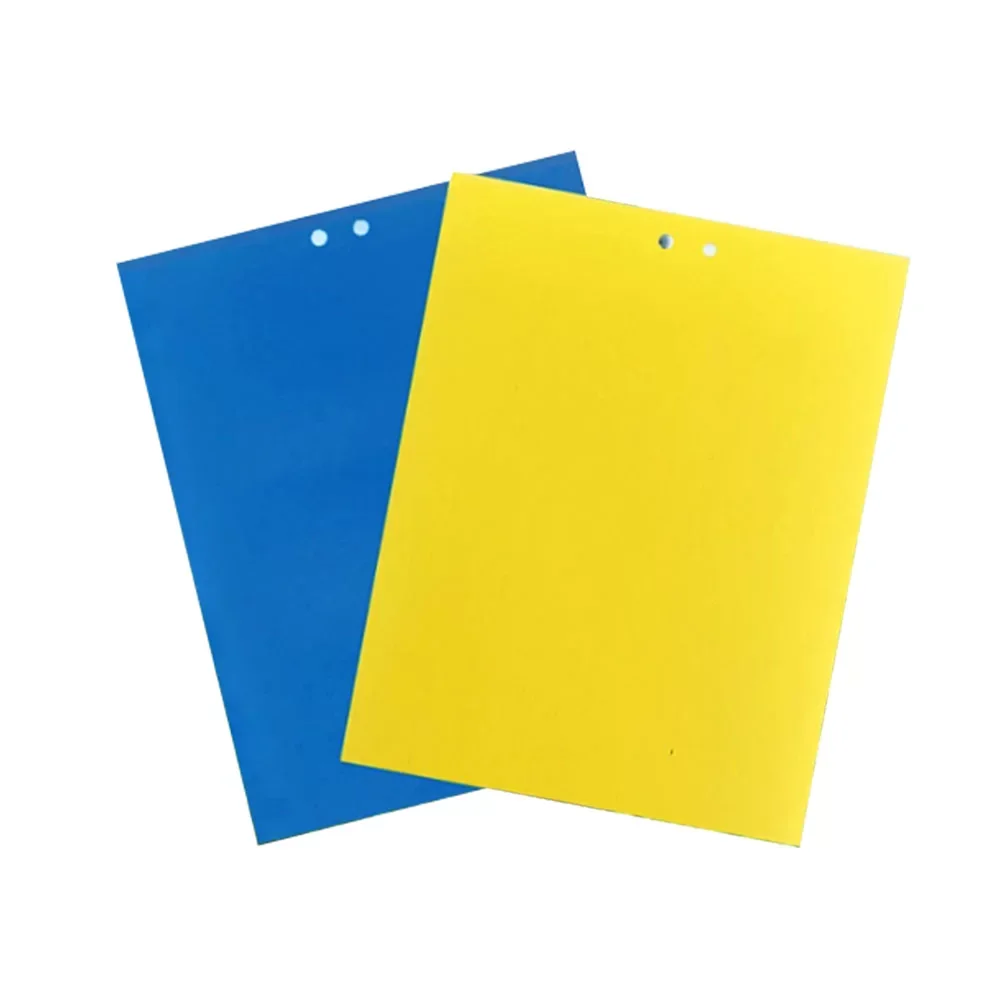
How to Choose the Best Sticky Trap for Flies for Home and Commercial Use
When it comes to pest control, selecting the right sticky trap can make a significant difference in both effectiveness and long-term results.
Feb 23, 26
Effective Outdoor Mice Traps for Sustainable Rodent Control Solutions