Rodent traps are crucial tools in safeguarding public health, agricultural yields, and property integrity globally. From urban centers battling infestations to rural communities protecting stored grains, the effective control of rodent populations is a constant need. Understanding the principles behind effective rodent trap design, deployment, and maintenance is essential for minimizing disease transmission, preventing structural damage, and ensuring food security. This understanding isn’t merely a matter of pest control; it’s a fundamental aspect of sustainable living and economic stability.
The global market for rodent control, including rodent trap solutions, is substantial and growing, driven by factors like urbanization, climate change, and increased international trade which facilitate the spread of rodent populations. According to the World Health Organization, rodents are responsible for the transmission of numerous diseases, impacting millions worldwide annually. Innovative solutions are consistently needed to address evolving challenges, such as rodent resistance to traditional poisons and the need for environmentally friendly control methods. The demand for effective and humane rodent trap solutions continues to rise.
Investing in quality rodent trap technology translates to long-term benefits. Effective rodent control reduces economic losses from damaged crops and infrastructure, minimizes healthcare costs associated with rodent-borne illnesses, and contributes to a healthier, more productive environment. The continuous improvement and adaptation of rodent trap systems are vital to staying ahead of evolving pest pressures and ensuring sustainable public health and economic well-being.


Effective rodent trap methods are more than just eliminating pests; they’re about safeguarding public health and economic stability. Rodents are known vectors for numerous diseases, posing significant risks to human populations. Implementing robust rodent trap strategies, therefore, becomes a preventative healthcare measure, reducing the incidence of illnesses and associated costs.
Beyond health concerns, rodents cause substantial damage to property and agricultural resources. From gnawing through electrical wires, creating fire hazards, to contaminating food supplies, the economic impact of rodent infestations is considerable. Implementing proactive rodent trap initiatives minimizes these losses, protecting investments and ensuring sustainable productivity.
For severe infestations, a combination of methods is generally most effective. Start with snap traps for quick knockdown, supplement with multi-catch traps for higher volume capture, and use bait stations for ongoing control. Simultaneously, focus on sanitation and exclusion methods (sealing entry points) to prevent re-infestation. Remember, a coordinated approach provides the best results.
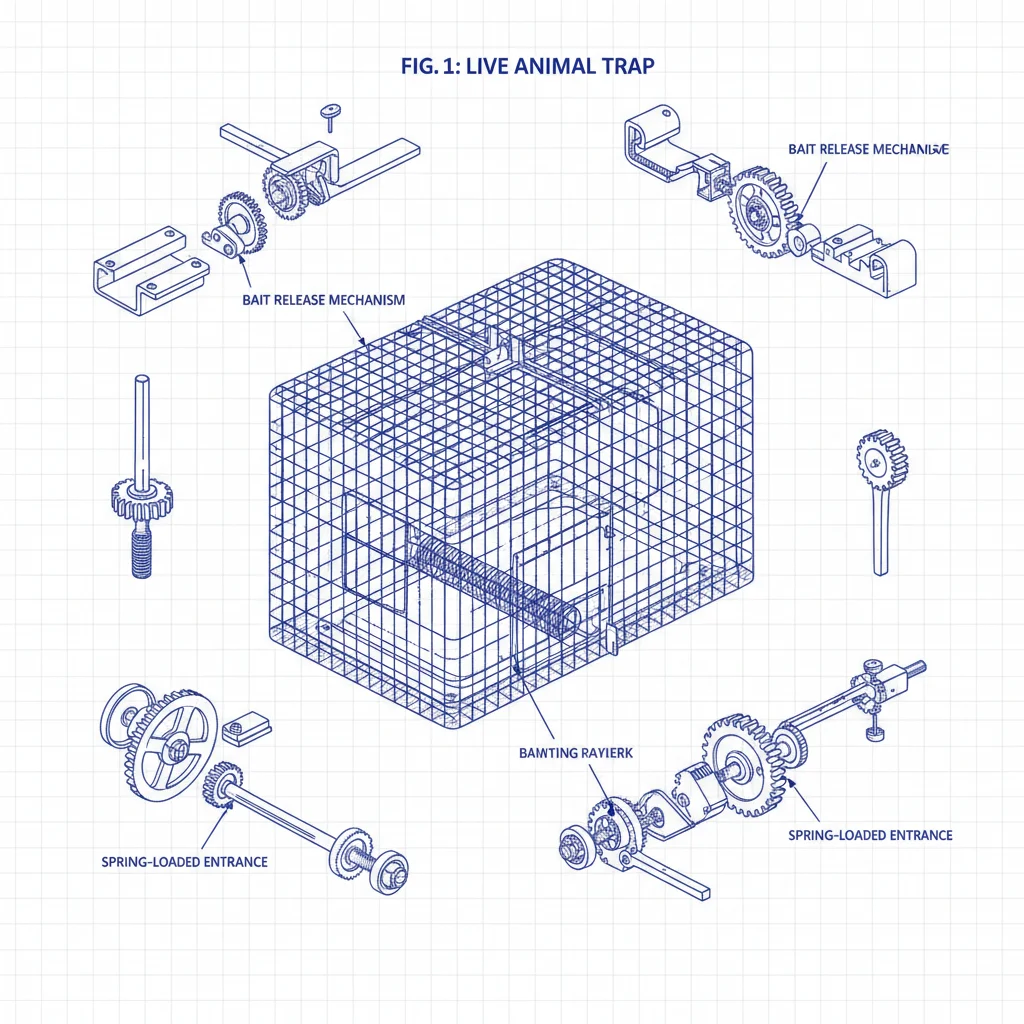
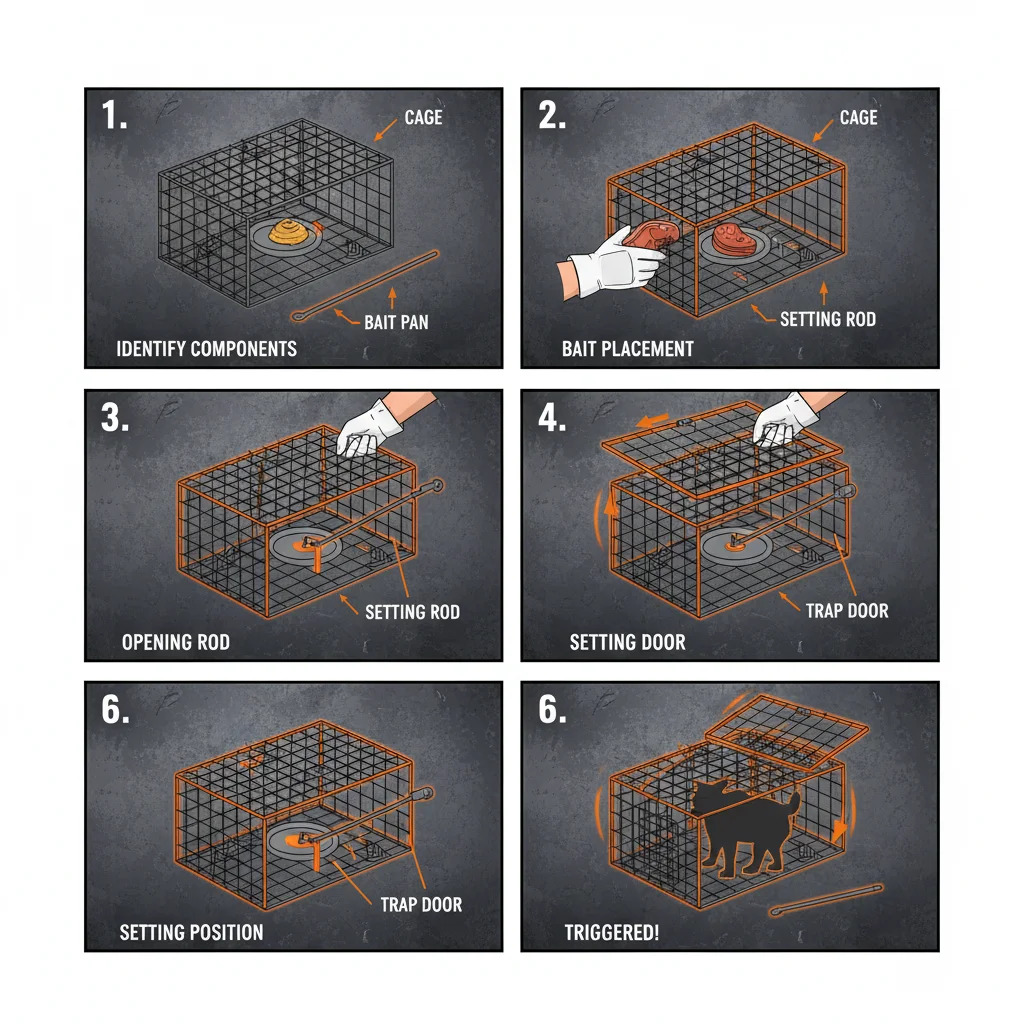
Live traps are often considered more humane, as they capture rodents without killing them immediately. However, humane considerations extend beyond the capture method. Relocating rodents can be stressful for the animals and may simply transfer the problem to another location. It’s crucial to check live traps frequently (several times a day) and to have a responsible plan for releasing the captured rodents far from structures.
Check snap traps at least daily, ideally twice a day. Reset them immediately after a capture to maintain their effectiveness. Multi-catch traps require checking every 1-3 days, depending on the level of activity. Bait stations should be inspected regularly to ensure the bait remains fresh and the traps are functioning properly. Frequent monitoring is key to successful rodent control.
Effective bait varies depending on the rodent species and location. Peanut butter is a classic choice, but other options include chocolate, nuts, seeds, and bacon. For picky rodents, try changing the bait regularly. Be mindful of allergies or sensitivities and avoid baits that could harm pets or children. Always secure the bait firmly to the trap.
Prevention is crucial. Seal any entry points (cracks, holes, gaps) in your foundation, walls, and around pipes. Store food in airtight containers. Eliminate clutter and potential nesting sites. Maintain good sanitation practices, including regular cleaning and waste removal. Consider using rodent-resistant building materials and landscaping techniques.
Yes, there are increasingly eco-friendly rodent trap options. These include live traps, electronic traps that deliver a quick and humane kill, and traps made from recycled materials. Also, Integrated Pest Management (IPM) focuses on preventative measures and minimizing pesticide use, making it a more sustainable approach to rodent control.
In conclusion, effective rodent trap is a critical component of public health, economic stability, and environmental sustainability. From understanding the global context of rodent infestations to utilizing innovative technologies and implementing preventative measures, a holistic approach is essential for long-term success. By prioritizing responsible pest management practices, we can protect our communities, safeguard our resources, and create a healthier future for all.
Looking ahead, continued research and development in rodent trap technology, coupled with increased awareness and collaboration between stakeholders, will be vital to addressing the evolving challenges of rodent control. By embracing innovation and sustainability, we can ensure that rodent trap remains an effective and ethical tool for protecting our world. Visit our website: rodent trap.