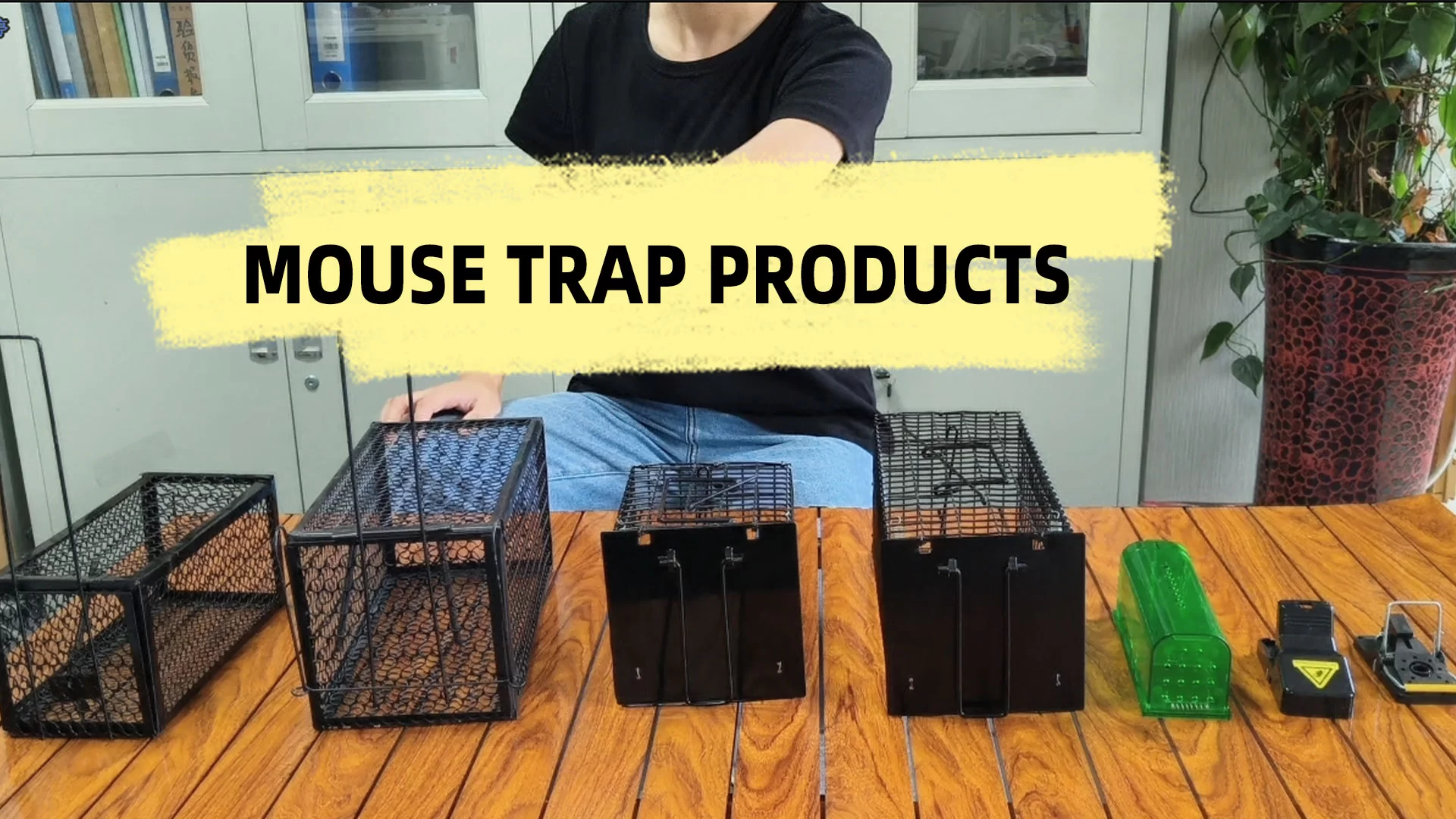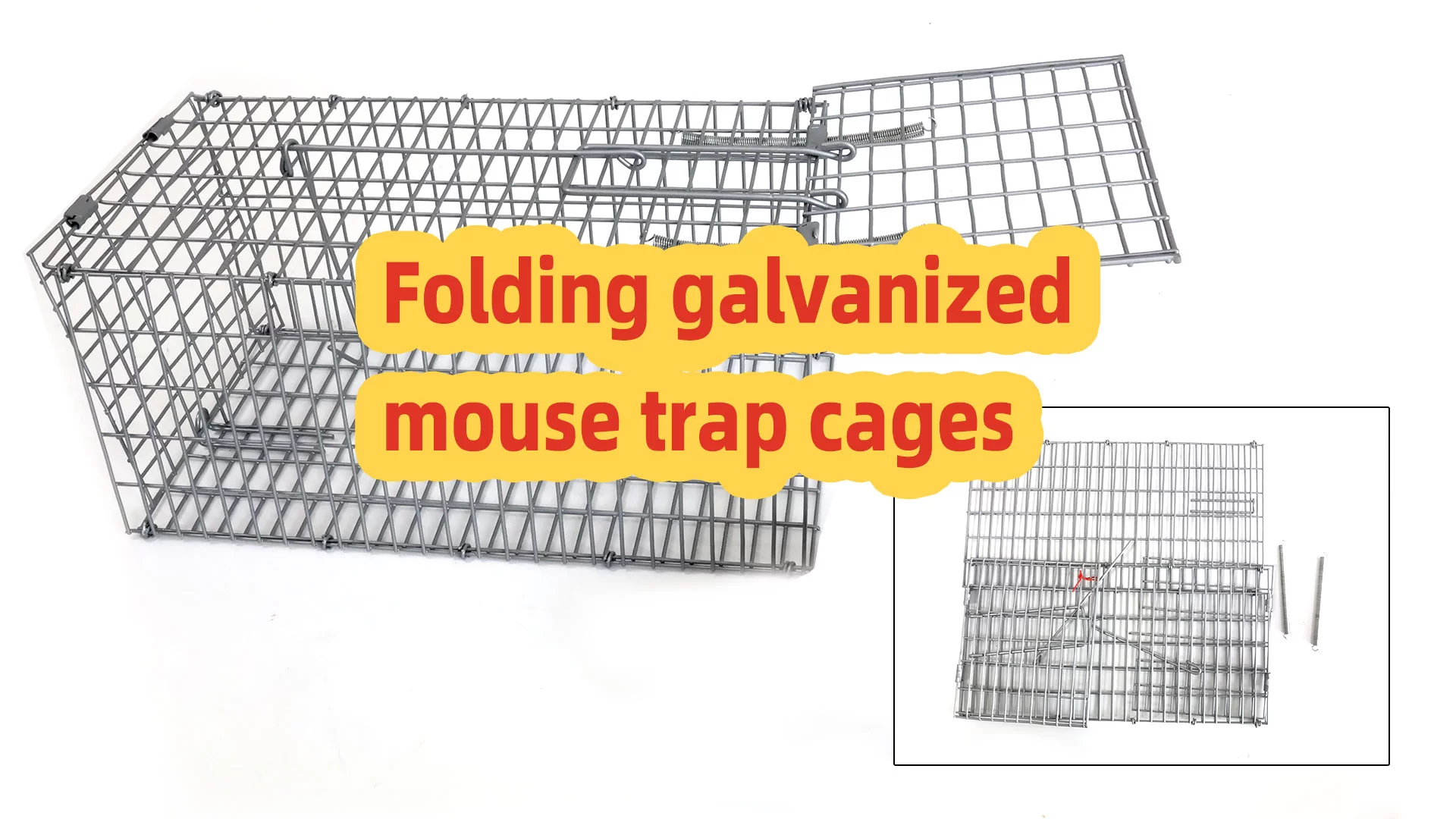
duke live traps represent a critical solution in wildlife management, pest control, and ecological research. These humane devices allow for the capture and relocation of animals without causing undue harm, contributing to both animal welfare and ecosystem health. Understanding their design, applications, and best practices is paramount for professionals and enthusiasts alike seeking effective and ethical animal management strategies. The increasing need for non-lethal solutions is driving innovation and wider adoption of duke live traps globally. The global demand for effective animal control solutions is growing, fueled by factors like urbanization, habitat loss, and concerns about public health and safety. Traditional methods often prove ineffective or raise ethical concerns, leading to a greater emphasis on humane capture techniques. duke live traps offer a viable alternative, aligning with evolving societal values and increasingly stringent regulations surrounding animal welfare. Their versatility and adaptability make them suitable for diverse environments and target species.
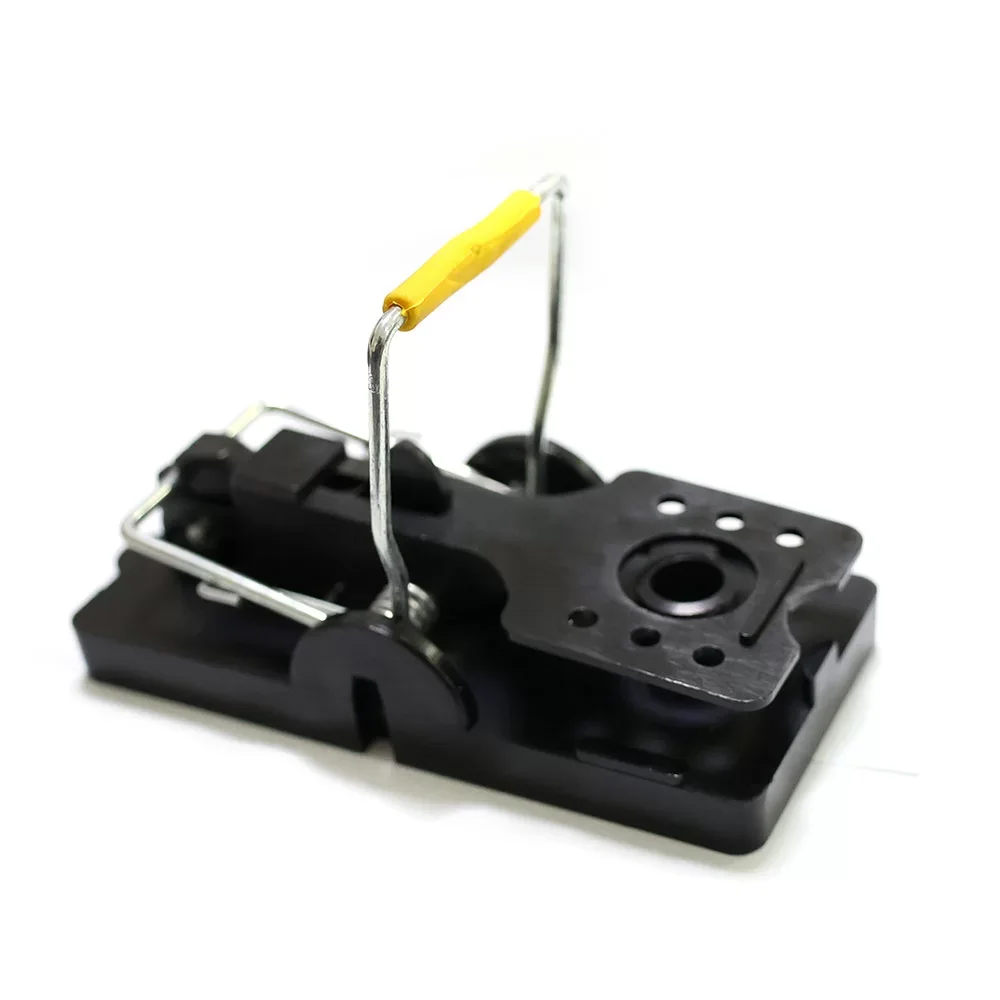
The global need for effective pest control is undeniable, impacting agriculture, public health, and economic stability. A critical component of this control is the humble, yet vital, rat trap. From safeguarding food supplies to preventing the spread of disease, efficient rat control is a cornerstone of modern civilization. Understanding the nuances of different rat trap designs and deployment strategies is therefore essential for professionals and individuals alike. Historically, rat control relied on rudimentary and often inhumane methods. However, advancements in materials science, engineering, and ecological understanding have led to the development of sophisticated rat trap systems. These modern traps prioritize effectiveness, safety, and humane treatment, minimizing harm to non-target species and ensuring sustainable pest management. The increasing urbanization and globalization contribute to the spread of rat populations, making consistent and adaptable rat trap solutions increasingly important.
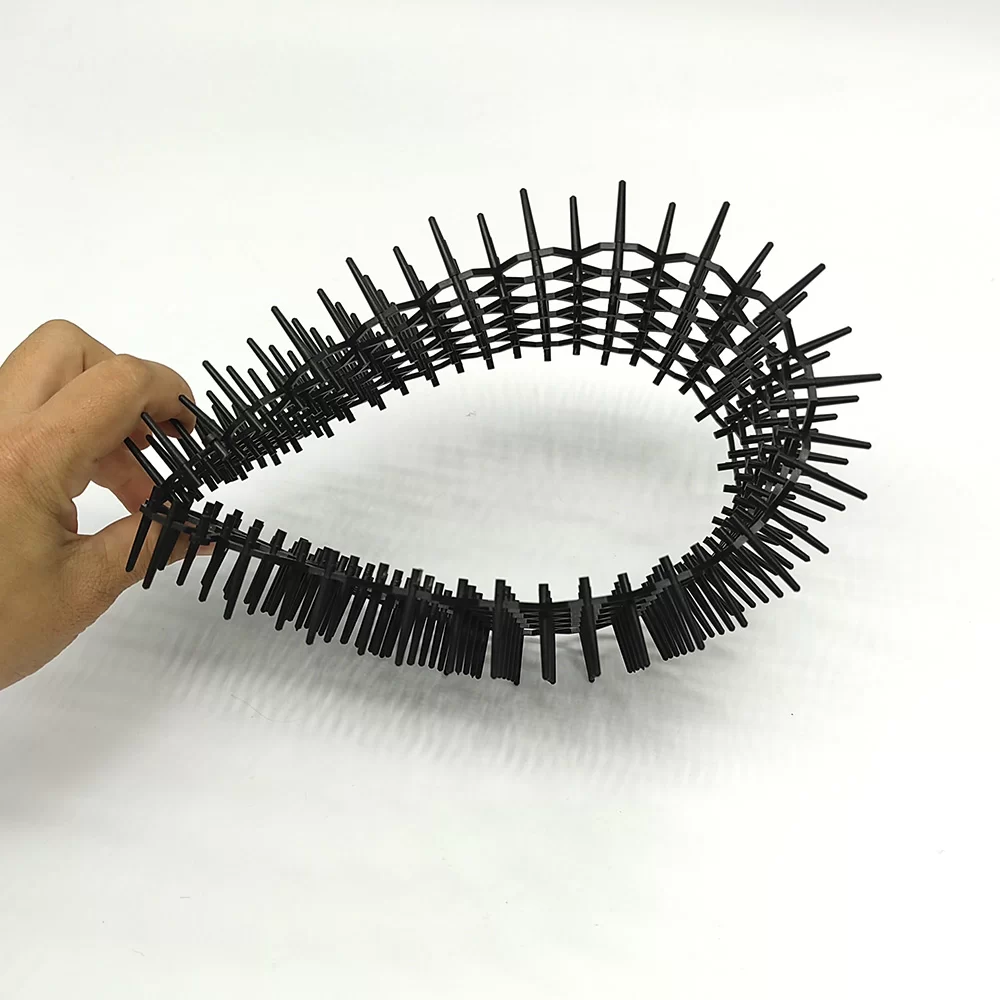
Keeping your home clean, organized, and free from unwanted scratching or digging behavior can be a challenge for any cat owner. Cats are naturally curious and territorial, often exploring countertops, digging in plants, or scattering litter beyond designated areas.